Homeschool Mom Just Add Coffee: A Designer's Review
As a designer who spends more time staring at stitch simulations than I do sleeping, I approach every new machine embroidery design with a healthy dose of skepticism. We have all been there: you download a cute graphic, load it onto your machine, and halfway through the run, you realize the satin columns are too wide for the font size or the underlay is non-existent. That is why I took a close look at the Homeschool Mom Just Add Coffee file before committing it to a client project. This isn't just about whether it looks good on a screen; it is about how it performs as a finished product in the real world.
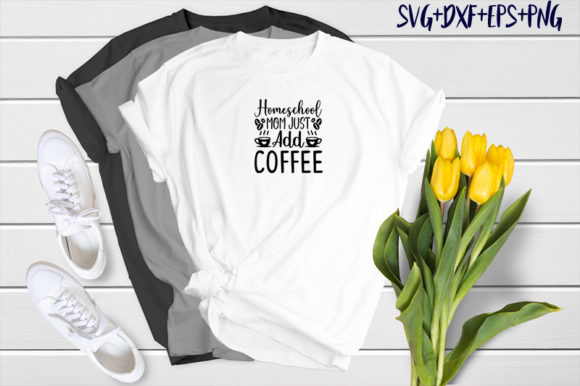
My first impression of this Graphics asset was its relatability. The theme hits a specific nerve for a massive demographic: the exhausted but dedicated homeschooling parent. Visually, the layout suggests a playful, slightly chaotic energy that matches the morning rush of getting lessons started while chasing caffeine. For an embroidery project, this kind of personality is gold. It transforms a generic item into a conversation starter. However, from a technical standpoint, the transition from a vector graphic to a stitched reality requires careful planning.
Real-World Application: The Tote Bag Test
To truly evaluate this design, I imagined a specific use case that many of us face during the back-to-school rush or holiday gift season: a custom embroidered tote bag for a local homeschool co-op teacher. Tote bags are popular, but they are also tricky. They often have seams, varying fabric weights, and need to withstand heavy loads and frequent washing.
If I were stitching Homeschool Mom Just Add Coffee onto a canvas tote, my primary concern would be stitch density. Graphics intended for vinyl decals or paper crafting often have solid blocks of color that translate poorly to thread if not adjusted. A solid fill area in a digital file can become a stiff, cardboard-like patch on fabric if the stitch count is too high. Before running this on the final product, I would strongly advise testing the design on scrap fabric of the same weight. You need to ensure the fill stitch areas don't pucker the material and that the text remains legible without the threads blending together.
For a sweatshirt or a cozy hoodie, the dynamic changes slightly. Knit fabrics stretch, which can distort small details. If this design includes fine lettering or intricate coffee cup details, a stabilizer with significant tear-away or cut-away strength is non-negotiable. I have seen too many handmade products ruined because the designer skimped on stabilizer to save time. For a personalized gift like this, durability is part of the value proposition. The recipient needs to know their "fuel" source is secure, even after a trip through the laundry.
Navigating Technical Constraints
One thing to keep in mind is that this asset is listed under Freebies and comes in formats like SVG, DXF, EPS, and PNG. While these are excellent for cutting machines and printing, using them directly for embroidery often requires digitizing software or a pre-digitized version not explicitly detailed in the basic description. If you are purchasing a pre-digitized embroidery file based on this graphic, you must verify the hoop size compatibility.
Small hoop sizes, common on home machines, can be a bottleneck. If the design is wide to accommodate the phrase "Just Add Coffee," it might not fit in a standard 4x4 hoop without resizing, which could compromise the integrity of the small text. Always check the dimensions before hooping up. Furthermore, if you plan to place this on curved surfaces like caps or visors, be wary of dense areas. High-density stitching on a curved brim can cause the cap to warp or the design to push out, creating gaps in the coverage.
Color selection is another critical factor. The mood of this design relies on contrast. On a dark navy or black garment, you will need bright, contrasting thread colors to make the coffee cup and text pop. Conversely, on a light heather grey shirt, you might opt for warmer browns and creams to create a softer, vintage aesthetic. I recommend running a black-and-white mockup first. If the design loses its definition in grayscale, it will likely get lost in the stitching too. This simple step saves thread and frustration.
Commercial Viability and Brand Consistency
For the Etsy seller or small shop owner, this design represents more than just a pretty picture; it is a potential revenue stream. The "homeschool mom" niche is evergreen, and adding the coffee element taps into the universal language of parental survival. However, when selling custom apparel or boutique merchandise, consistency is key.
If you are producing a run of these for a craft fair, you need to ensure every stitch-out looks identical. This means documenting your settings: the exact stabilizer used, the needle size, the thread brand, and the tension adjustments. A professional finished product builds customer trust. If one shirt has puckered text and another is crisp, your brand reputation takes a hit. This design, with its likely mix of text and iconography, demands precision. The "coffee" element probably serves as the visual anchor, so ensure that specific area is stitched cleanly, perhaps utilizing a satin stitch border to define edges sharply against the fabric texture.
It is also vital to address licensing. Since this is categorized as a freebie or graphic asset, the terms for commercial use can vary wildly. Some creators allow unlimited sales of physical items but forbid selling the digital file itself. Others may require attribution. Before listing your small shop product on Etsy or Amazon Handmade, read the license agreement included with the download. Ignoring this can lead to takedown notices or legal issues that no small business owner wants to deal with. When in doubt, reach out to the creator for clarification on commercial embroidery rights.
Final Thoughts on Execution
Ultimately, Homeschool Mom Just Add Coffee has strong potential as a best-seller for the right audience. Its charm lies in its honesty and humor. But its success depends entirely on execution. Do not treat it as a simple "load and go" file. Treat it as a component of a larger manufacturing process. Check your running stitch paths for efficiency to minimize jump stitches. Ensure your applique design elements (if any) are secured properly. And always, always respect the fabric you are working on.
Whether you are making a single holiday embroidery gift for a friend or launching a line of tote bag designs for the fall season, this graphic offers a solid foundation. Just remember that the difference between a hobbyist look and a professional product often comes down to the details we choose to manage before the needle ever hits the cloth. With the right preparation, this design can be a staple in your library of design assets, bringing smiles (and caffeine-fueled solidarity) to moms everywhere.