Rice Embroidery Design: A Practical Review for Makers
As a designer who spends more time at the hoop than away from it, I approach every new machine embroidery design with a healthy dose of skepticism. We have all downloaded a file that looked crisp on the screen only to turn into a bird's nest of thread on the fabric. Today, I am taking a close look at the Rice design, a graphic available in the Freebies category. While the product listing highlights its versatility for paper crafting and vinyl decals, my focus is strictly on how this asset translates into a tangible, stitched finished product. Does it hold up under the needle, or is it better left for digital prints?
First Impressions and Visual Personality
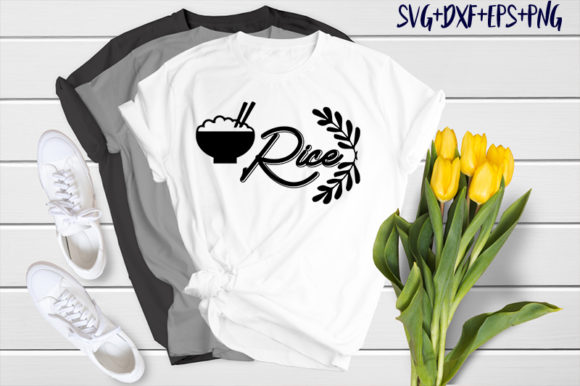
When I first pulled up the files for Rice, the immediate impression was one of organic simplicity. The shape suggests a natural, perhaps botanical or culinary theme, which instantly brings to mind kitchen textiles and rustic home decor. The layout appears clean, lacking overly intricate micro-details that often cause headaches during digitizing. This visual personality is crucial; a design that relies on broad shapes and clear lines usually translates better to thread than one dependent on tiny, fragile elements.
The mood created by Rice is warm and inviting. It feels at home in a farmhouse kitchen or as a subtle accent on a boutique tote bag. For an Etsy seller or small shop owner, this kind of neutral yet charming aesthetic is gold. It appeals to a wide demographic without being too niche. However, because the source files include SVG, DXF, EPS, and PNG, it is important to remember that these are vector and raster graphics. To use this as a true embroidery file, one must ensure it has been properly digitized into a machine-readable format (like PES or DST) or be prepared to do the digitizing work yourself if you have the software skills.
Real-World Application: The Kitchen Towel Test
To truly evaluate Rice, I envisioned a specific real-life scenario: a custom order for a set of embroidered tea towels for a housewarming gift. This is a classic use case for this type of graphic. The goal was to create a handmade product that felt professional enough to sell but personal enough to gift.
In this context, the design shines. On a waffle-weave or linen blend towel, the simplicity of the Rice motif allows the texture of the fabric to complement the stitching rather than compete with it. If I were using a satin stitch border with a fill stitch interior, the result would be a plush, tactile element that invites touch. For a custom apparel project, such as a chef's apron or a canvas tote bag, the design offers excellent visibility. It is large enough to be recognized from a distance but refined enough not to look bulky.
For those running a craft business, the versatility here is key. This same design could easily transition from a sweatshirt embroidery project for a fall collection to a baby embroidery item, like a bib or onesie, provided the scale is adjusted correctly. The neutral theme makes it perfect for holiday embroidery gifts during the harvest season or even as year-round branding for a local cafe's merchandise.
Navigating Fabric and Hoop Challenges
While the design is promising, practical application requires caution. Not every surface is friendly to every graphic. When working with Rice on textured fabrics like thick terry cloth or heavy denim, you must consider the stitch density. If the digitized version is too dense, the fabric may pucker, ruining the smooth lines of the graphic. Conversely, on thin or stretchy fabrics, a lack of density might lead to gaps where the fabric shows through awkwardly.
Small hoop sizes present another consideration. If you are attempting to place this on a cap or a curved surface, you need to verify that the design fits within the standard cap frame without losing proportion. Curved surfaces distort designs, so a layout that looks flat and perfect on a pillow cover might twist uncomfortably on a baseball hat. Additionally, if the design includes any fine lettering or tiny corners (common in botanical illustrations), these areas are prone to thread breaks or poor coverage if the thread colors do not contrast sufficiently with the fabric texture.
Dark fabrics require special attention. If you are stitching Rice onto a black tote bag, a light-colored thread will pop beautifully, but you may need an underlay stitch to prevent the dark fabric from peeking through the fill areas. Always test your stabilizer choice; a cut-away stabilizer is often safer for items that will undergo frequent washing, like tea towels and t-shirts, to maintain the integrity of the embroidered patch effect over time.
Enhancing Brand Value and Customer Trust
The ultimate test of any design asset is how it affects the perceived value of the finished product. A clean, well-executed embroidery job builds customer trust. When a buyer sees a crisp Rice motif on a product, they associate that quality with the maker. It signals professionalism and attention to detail. For digital product sellers offering mockups, using a realistic representation of how this design stitches out can significantly boost buyer engagement.
However, consistency is vital. If you are building a brand around rustic, handmade goods, ensure that the thread weights and finishes you choose for Rice match your other listings. Mixing matte threads with high-sheen rayon in the same collection can look disjointed. The design itself is a strong foundation, but the execution determines whether it elevates your small shop product or lowers its perceived worth.
Essential Designer Notes for Success
Before committing to a production run or listing this as a commercial item, there are several critical steps to take. First, always test the design on scrap fabric that matches your final material. This reveals issues with tension and density before they ruin a client's garment. Second, review the license terms carefully. Since this is listed under Freebies and Graphics, confirm whether the license permits commercial use of the finished product or if it is for personal use only. Never assume a free download is free to sell.
Check the file formats provided. You will receive SVG, DXF, EPS, and PNG. If you are using an embroidery machine, you likely need to convert these or purchase a pre-digitized version specifically for embroidery, as standard graphic files do not contain stitch data. Inspect small details in a preview mode; zoom in to see if corners are sharp and if running stitches are spaced appropriately. Finally, create black and white mockups to ensure the design holds its form without relying on color contrast alone.
In conclusion, Rice is a versatile graphic with strong potential for embroidery projects when handled with technical care. It fits naturally into the workflows of apparel decorators and creative entrepreneurs looking for reliable, aesthetically pleasing motifs. By respecting the limitations of fabric and machinery, and by verifying the licensing for commercial applications, this design can become a staple in your library of design assets, helping you create beautiful, marketable goods that customers love.